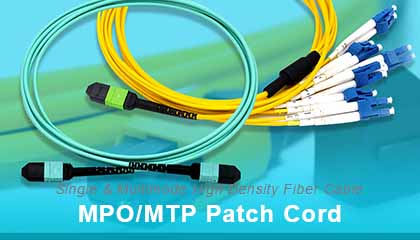



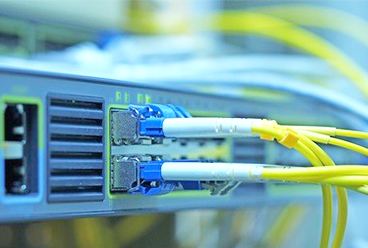



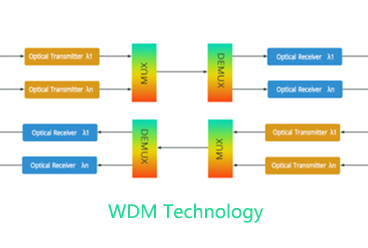








In modern data centers, HPC clusters, cloud infrastructure, and enterprise leaf-spine networks, high-speed interconnect solutions directly determine network latency, operational stability, cabling flexibility, and overall OPEX. Three mainstream high-speed networking solutions dominate short-to-long-range data center deployments: DAC (Direct Attach Cable), AOC (Active Optical Cable), and Optical transceiver.
While all three options support prevalent high-speed networking standards ranging from 10G, 25G, 40G, and 56G to 100G and beyond, they feature fundamental differences in transmission medium, working principles, maximum reach, power consumption, deployment flexibility, and use cases. Selecting the wrong interconnect solution can result in unnecessary capital expenditure, insufficient transmission distance, poor signal integrity, or limited network scalability for future upgrades.
DAC (Direct Attach Cable)
A Direct Attach Cable (DAC) is a factory-integrated twinax copper cable pre-terminated with standard SFP+, SFP28, QSFP+, or QSFP28 connectors on both ends. DAC solutions fall into two categories: passive DAC and active DAC. Passive DAC contains no electronic components and requires no power input, while active DAC is equipped with signal amplification chips to extend reliable transmission distance.
DAC cables transmit pure electrical signals without electro-optical conversion, delivering plug-and-play simplicity, zero configuration, and ultra-low latency performance. Thanks to these strengths, DACs serve as the most cost-effective interconnect solution for ultra-short-range data center and enterprise network connections.
AOC (Active Optical Cable)
An Active Optical Cable (AOC) is an all-in-one fiber optic cable integrated with built-in optical engines, VCSEL laser transmitters, and photoelectric conversion chips at both terminals. Unlike copper-based DAC, AOC relies on electro-optical-optical-electrical conversion: it converts electrical signals into optical signals for fiber transmission at the transmit end and restores optical signals back to electrical signals at the receive end.
As a fully factory-assembled optical cable solution, AOC features fixed cable lengths and non-detachable module ends. It combines the plug-and-play convenience of DAC cables and the long-distance, anti-interference advantages of fiber optics, making it ideal for medium-range inter-rack and intra-data center network deployments.
Optical Transceiver
Optical transceivers are standalone, hot-pluggable optical modules available in mainstream form factors including SFP+, SFP28, QSFP+, and QSFP28. These modules cannot operate independently and must pair with compatible single-mode or multi-mode fiber patch cords to establish network links.
The most distinctive advantage of optical transceivers is the complete separability of modules and fiber cables. Network administrators can freely match transceiver models and fiber lengths based on actual deployment demands, enabling highly flexible networking and ultra-long-distance data transmission. This makes optical transceivers the primary scalable solution for long-haul and expandable network infrastructures.
Core Technical Differences Between DAC, AOC and Optical Transceivers
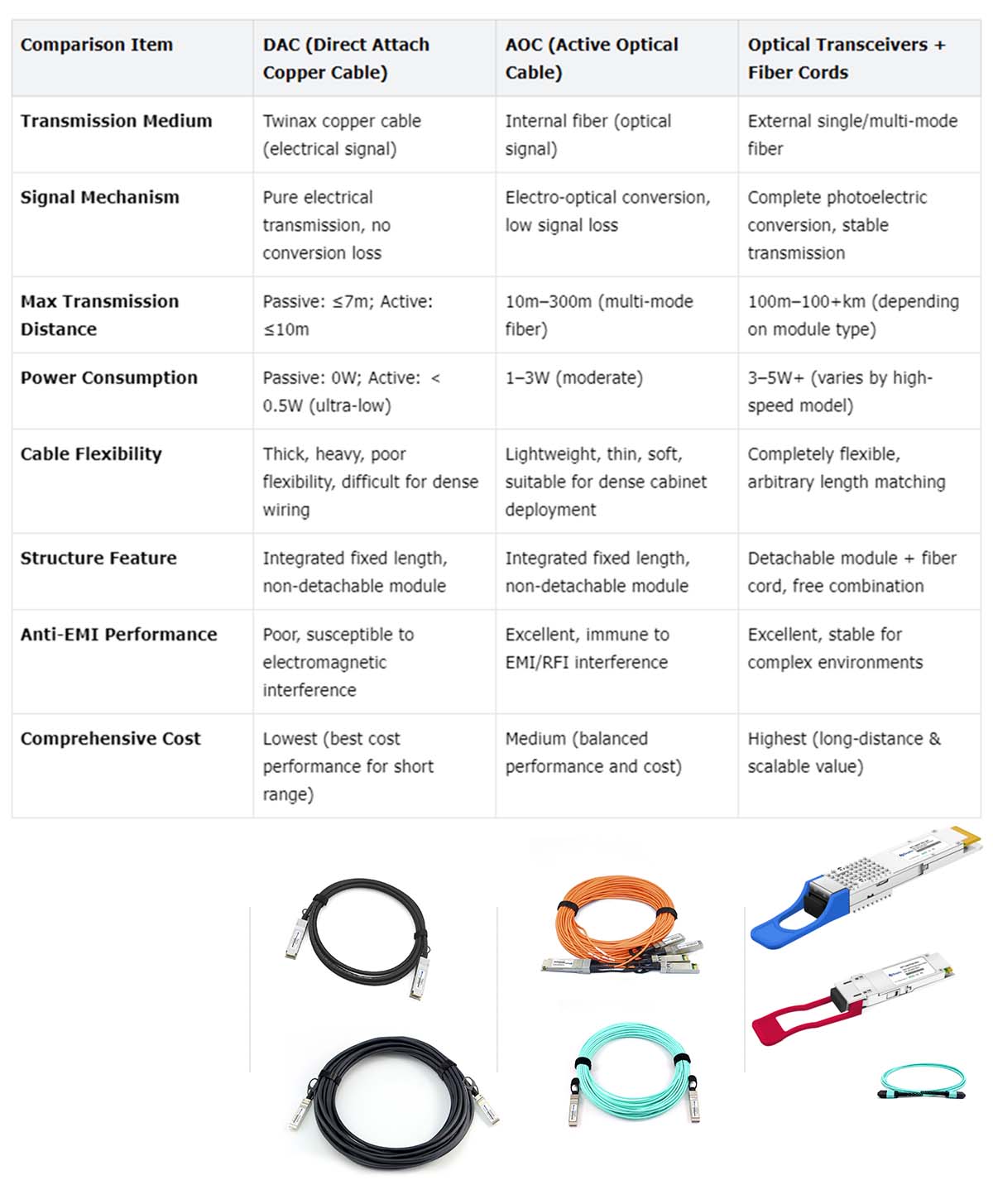
The three interconnect solutions differ drastically in transmission medium, signal processing mechanism, maximum transmission reach, power draw, deployment flexibility, and total cost of ownership (TCO). The detailed technical comparison below highlights their core distinctions for accurate solution selection:
Application Scenarios & Selection Guide
Choose DAC If You Need
● Ultra-short-range point-to-point connections within a single server cabinet (7 meters or less)
● Latency-sensitive network links requiring ultra-low delay and zero power consumption
● Cost-optimized short-range interconnections for small and medium-scale data centers
● Low-latency data transmission for HPC high-performance computing clusters
Choose AOC If You Need
● Medium-range inter-rack and cross-cabinet data center connections (10m to 300m)
● Dense data center deployment scenarios requiring flexible and tidy cable routing
● Fast plug-and-play network deployment with zero complex configuration
● Short and medium-distance interconnections for enterprise leaf-spine network architectures
Choose Optical Transceivers If You Need
● Long-distance cross-floor and cross-building network transmission (exceeding 300m)
● Dynamic network environments requiring flexible adjustment and future scalability
● Carrier-grade backbone networks, metropolitan area networks, and long-haul data transmission systems
● Large-scale cloud data centers with continuous iteration and capacity expansion demands
DAC, AOC, and optical transceivers serve distinct, non-competing roles in modern networking, with each solution optimized for specific transmission distances and deployment scenarios. DAC cables deliver unbeatable low latency and cost benefits for ultra-short-range links. AOC cables strike a perfect balance between transmission distance, signal stability, and deployment convenience, covering the majority of medium-range data center interconnection needs. Optical transceivers provide unmatched flexibility and scalability for long-distance transmission and enterprise/carrier network expansion.
As a trusted global supplier of data center high-speed interconnect solutions, Sopto offers a comprehensive portfolio of 10G, 25G, 40G, 56G, and 100G DAC cables, AOC active optical cables, and compatible optical transceivers. We support standard straight and breakout configurations, custom cable lengths, and OEM customization to meet diverse networking requirements for data centers, HPC facilities, and enterprise network infrastructures worldwide. Contact our sales team to get product spec sheets, technical drawings and competitive bulk quotation! Email: [email protected] WhatsApp: +86 13751094939
FAQ
Q1: Can DAC cables replace AOC cables?
No. DAC copper cables are strictly limited to ultra-short transmission distances within 7 meters. For cross-rack connections over 10 meters, AOC optical cables are mandatory to prevent severe signal attenuation, packet loss, and network instability.
Q2: Are AOC cables compatible with optical transceivers?
AOC is an integrated all-in-one cable solution without detachable standalone transceivers. It features standard SFP/QSFP form-factor connectors for direct plug-and-play use with compatible network switches, delivering identical interconnection performance as traditional optical transceiver plus fiber cord combinations.
Q3: Which is more cost-effective for 100G short-range deployment?
For 100G short-range deployments within 7 meters, 100G passive/active DAC cables provide the lowest cost and minimal latency. For medium-range 100G links spanning 10m to 100m, 100G AOC cables offer superior cost performance compared with discrete 100G optical transceivers and matched fiber patch cord sets.
Tags : DAC, AOC, Direct Attach Cable, Active Optical Cable, optical transceivers, data center interconnect
— END —