












As fiber optic networks continue to evolve, network operators, ISPs, and enterprise IT teams are looking for smarter and more efficient connectivity solutions. While traditional SFP (Small Form-Factor Pluggable) transceivers have been the industry standard for years, Smart SFP modules are emerging as a powerful alternative that combines optical transmission with advanced networking capabilities.
In this article, we explore the differences between Smart SFP and traditional SFP modules, their benefits, and the key applications driving adoption across modern networks.
What Is a Traditional SFP Module?
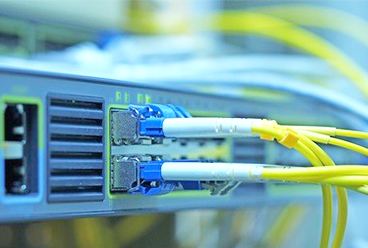
A traditional SFP module is a compact, hot-swappable transceiver designed to convert electrical signals into optical signals and vice versa. Its primary role is to provide reliable fiber connectivity between switches, routers, servers, and other network equipment.
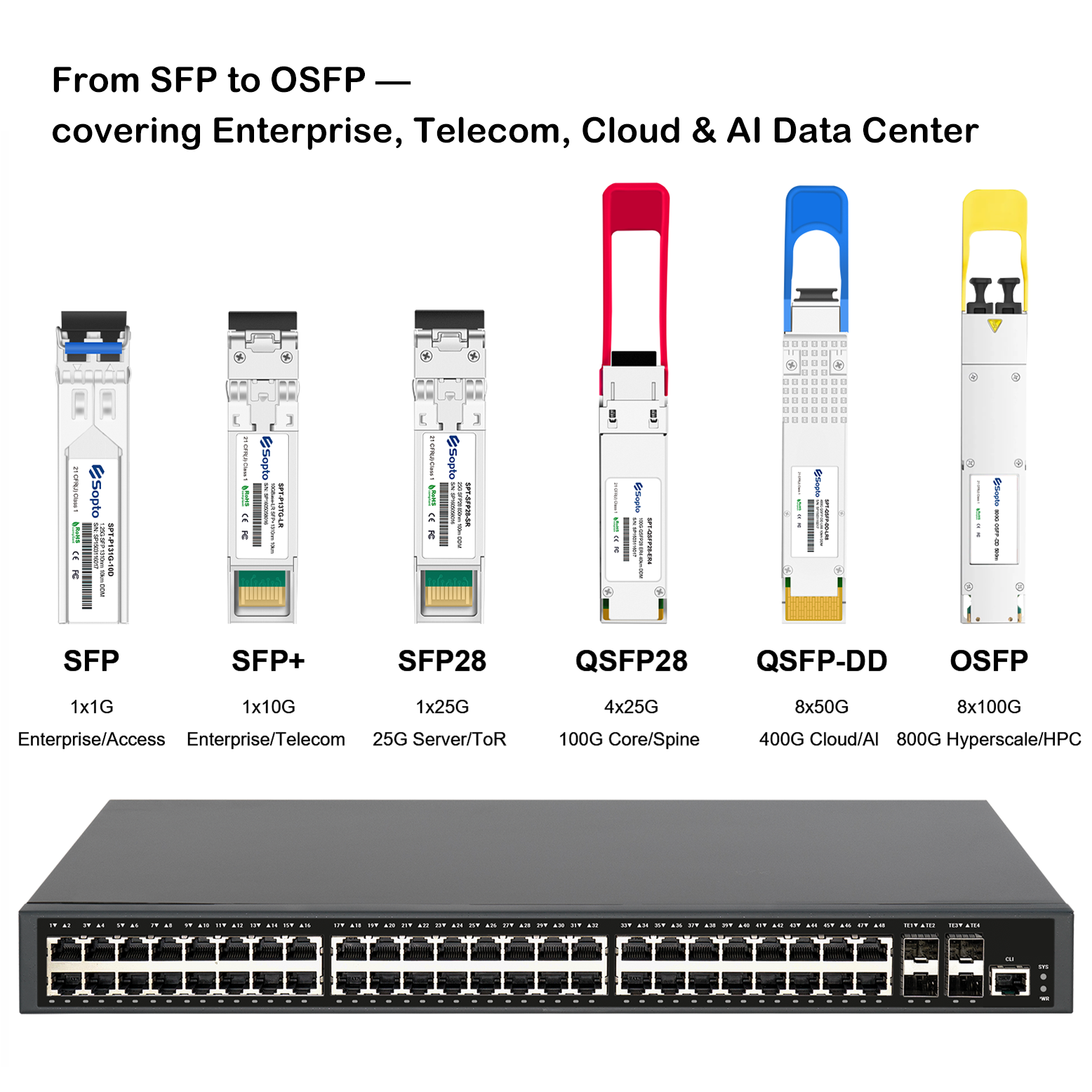
Traditional SFP modules offer:
● Stable optical transmission
● Low power consumption
● High compatibility with networking equipment
● Cost-effective deployment
Common applications include:
● Enterprise network
● Data center
● Telecommunications infrastructure
● Fiber-to-the-home (FTTH) network
What Is a Smart SFP?
A Smart SFP goes beyond simple optical transmission. Equipped with an embedded processor, memory, and software, it functions as a miniature network device inside the SFP form factor.
Unlike standard transceivers, Smart SFP modules can perform:
● Remote management
● Protocol conversion
● Traffic monitoring
● VLAN processing
● ONU functionality for PON network
● Edge computing task
This intelligent architecture enables network operators to reduce hardware complexity while increasing flexibility.
Key Differences Between Smart SFP and Traditional SFP
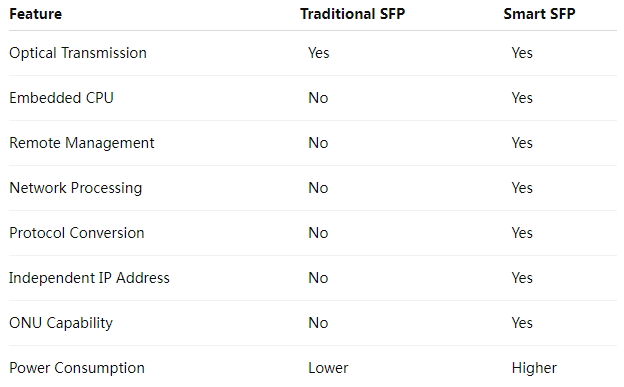
For organizations seeking advanced network control and automation, Smart SFP provides significant advantages over conventional transceivers.
Main Applications of Smart SFP
1. PON Access Network
One of the fastest-growing applications for Smart SFP modules is replacing traditional ONT/ONU devices in GPON and XGS-PON deployments.
Benefits include:
● Reduced equipment footprint
● Simplified installation
● Lower latency
● Improved network efficiency
2. Enterprise and Campus Network
Smart SFP modules enable centralized management and enhanced visibility across enterprise networks. IT teams can remotely monitor performance, troubleshoot issues, and optimize traffic without deploying additional hardware.
3. Industrial Ethernet Network
Industrial environments often require protocol conversion and intelligent edge processing. Smart SFP modules can support these requirements while maintaining compact deployment within existing switches.
Applications include:
● Factory automation
● Smart manufacturing
● Energy management system
● Transportation network
4. Video Surveillance System
Modern surveillance deployments involve large numbers of IP cameras connected over fiber infrastructure.
Smart SFP modules can help by:
● Managing VLAN configuration
● Monitoring network health
● Supporting remote maintenance
● Improving operational efficiency
Why Smart SFP Is Gaining Popularity
The growing demand for intelligent networking, edge computing, and simplified infrastructure management is accelerating Smart SFP adoption worldwide.
Organizations benefit from:
● Reduced hardware costs
● Simplified network architecture
● Enhanced operational visibility
● Greater deployment flexibility
● Future-ready network scalability
As network become increasingly software-driven, Smart SFP technology offers a practical path toward more intelligent and efficient connectivity.
Traditional SFP module remain an excellent choice for standard optical transmission application. However, organizations seeking advanced management, protocol processing, and integrated ONU functionality should consider Smart SFP solution. By combining fiber connectivity with intelligent networking feature, Smart SFP module are helping businesses, ISP, and industrial operator build smarter and more scalable network infrastructure.
Tags : Smart SFP, Smart SFP Module, Traditional SFP, SFP Transceiver, Fiber Optic Transceiver, GPON SFP, XGS-PON SFP
— END —